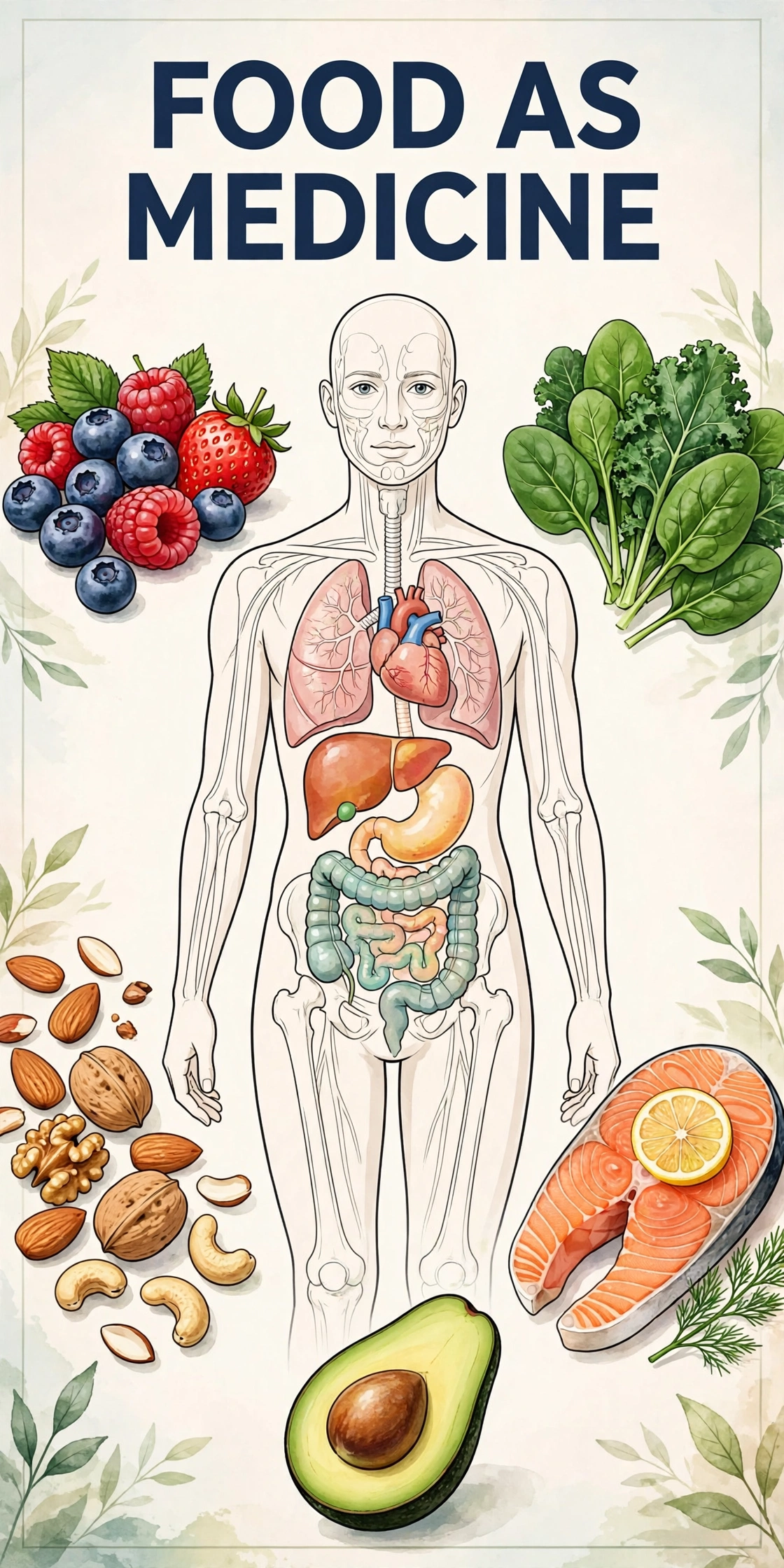
Every time a glossy ad sells you $49 powdered baobab or freeze-dried dragonfruit, remember this: nobody ever credited a smoothie powder with keeping their grandmother spry at ninety. The most reliably nourishing foods in human history aren’t flown in from distant rainforests. They’re sitting in your cupboard right now. Turmeric, oats, lentils, garlic, eggs — your grandmother cooked with all of these, and nutrition science keeps rediscovering that she was right all along.
Here is the honest truth. The word “superfood” is marketing, not medicine — no legal or scientific definition exists; blueberries and kale are just very good foods with very good PR teams. The items below won’t detox your liver, reverse aging, or replace your medication. What they do is far more valuable: they fill your meals with fiber, vitamins, minerals, and satisfying flavor for pennies per serving. They keep well, cook fast, and turn plain dinners into genuinely nourishing ones.
You don’t need a specialty store, a new pantry, or a bigger budget — just a second look at the jars you already own. Let’s walk the aisles of your own kitchen and meet your superfoods.
The Spice Cabinet: Small Jars, Big Returns
Dried spices are the cheapest nutrition upgrade you can buy: a three-dollar jar seasons a hundred meals, and most carry plant compounds studied for antioxidant and anti-inflammatory properties. Keep them sealed away from the stove’s heat, and replace ground spices yearly — stale spices are fine to eat but taste like cardboard.
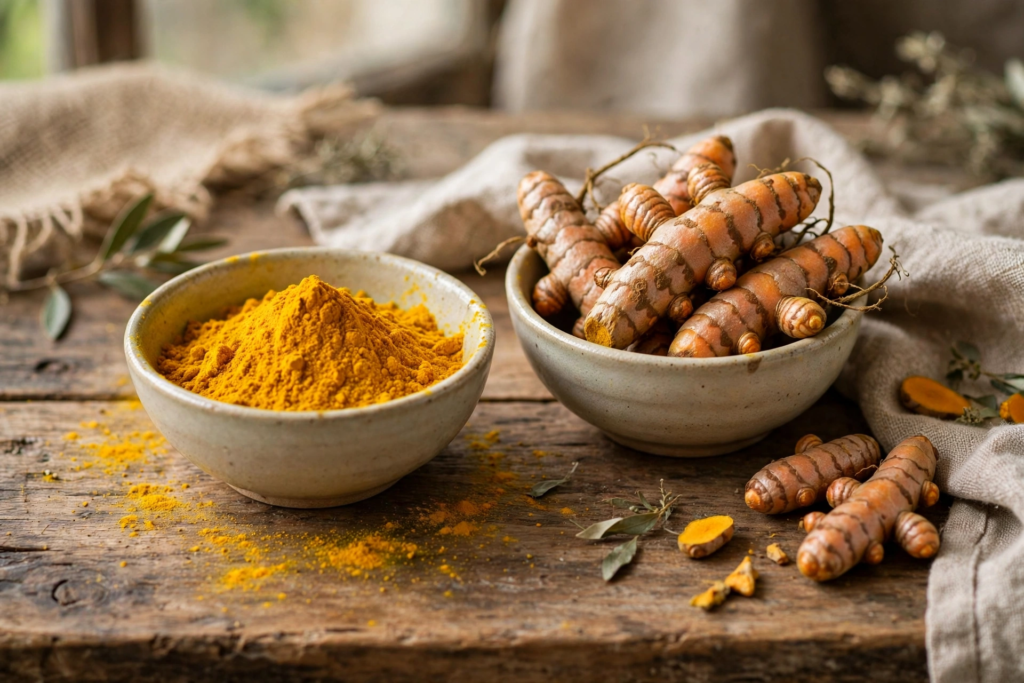
Turmeric
That golden, finger-staining powder is the world’s most talked-about kitchen spice. Its color comes from curcumin, a plant compound studied for its antioxidant activity. Curcumin absorbs poorly alone, but a little fat and a pinch of black pepper boost uptake — exactly how traditional curries have always paired it.
- **Golden milk:** Warm 1 cup milk (or oat milk) with 1/2 teaspoon turmeric, 1/4 teaspoon cinnamon, a pinch of black pepper, and 1 teaspoon honey.
- **Everyday rice:** Stir 1/2 teaspoon into the pot when cooking rice — color, warmth, zero extra effort.
- **Simple rub:** Mix with olive oil, salt, and garlic as a rub for roasted chicken or cauliflower.
Ginger
Fresh or ground, ginger is the cozy bite in holiday cookies and stir-fries. It’s rich in gingerols, the aromatic compounds behind its heat, and it’s long been brewed as a soothing drink for queasy stomachs. Keep a knob in the freezer — it grates beautifully while frozen and never goes moldy.
- **Ginger tea:** Simmer 4–5 thin slices of fresh ginger in 2 cups of water for 10 minutes. Add lemon and honey.
- **Morning kick:** Add 1/4 teaspoon ground ginger to your oatmeal or smoothie.
- **Simple stir-fry base:** Grate 1 tablespoon fresh ginger with garlic into any vegetable or noodle pan — dinner instantly tastes intentional.
Cinnamon
The cheap grocery-store jar is usually cassia; “true” Ceylon cinnamon is milder and lower in coumarin, a compound to limit in large daily doses. Either way, a half-teaspoon delivers manganese and warm flavor with zero sugar. Cinnamon tricks your taste buds into perceiving sweetness, which is why it pairs so well with coffee and fruit.
- **Coffee upgrade:** Add 1/4 teaspoon to your coffee grounds before brewing — it softens bitterness beautifully.
- **Apple snack:** Slice an apple, dust with cinnamon, microwave 90 seconds. Tastes like pie filling.
- **Savory secret:** A pinch in chili, tomato sauce, or lentil soup deepens the flavor without tasting like dessert.
Garlic
Garlic is the closest thing your pantry has to a multitool. One clove delivers vitamin C, vitamin B6, and manganese, and its sulfur compounds — released when you crush or chop it — are famously pungent and widely studied for heart-health support. Let minced garlic rest 10 minutes before it hits the hot pan, so those beneficial compounds fully form.
- **Roasted whole heads:** Slice the top off a head, drizzle with olive oil, roast at 400°F (200°C) for 35 minutes. Spread on toast like butter.
- **Quick immunity broth:** Simmer 4 crushed cloves in chicken or vegetable broth for 15 minutes with ginger.
- **Ten-second dressing:** Minced garlic + lemon juice + olive oil + salt — pour over anything green.
Pantry Powerhouses: Fiber, Protein, and Staying Power
This section moves the needle on your budget and your satiety. Oats, lentils, and beans are the cheapest sources of fiber and plant protein in the store, and they’re all shelf-stable for months — the foods that keep you full until lunch without a second thought.
Oats
Oats quietly outperform most breakfast cereals costing five times as much. They’re packed with beta-glucan, a soluble fiber that helps you feel full longer and supports healthy cholesterol levels already in the normal range. Buy plain rolled or old-fashioned oats — the flavored packets are just oats plus a sugar bomb.
- **Overnight oats:** Combine 1/2 cup oats, 1/2 cup milk, 1/2 cup yogurt, and 1/2 cup frozen berries in a jar. Refrigerate overnight — breakfast is done.
- **Savory option:** Cook oats in broth instead of milk, top with a fried egg and soy sauce. Game changer.
- **Freezer pancakes:** Blend 1 cup oats into flour, mix with 1 egg, 1/2 cup milk, and 1 mashed banana. Make a big batch; freeze leftovers.
Lentils
Red, green, or brown — lentils are the weeknight hero of the pantry. One cooked cup delivers around 18 grams of protein and 15 grams of fiber, plus iron and folate, for well under a dollar a serving. Unlike dried beans, lentils need no soaking and cook in 20–25 minutes. Red lentils melt into creamy soups; brown and green hold their shape for salads.
- **15-minute red lentil soup:** Sauté onion, garlic, and ginger; add 1 cup red lentils, 4 cups broth, and 1 teaspoon turmeric. Simmer 15 minutes, blend.
- **Lentil “bolognese”:** Swap half the ground meat in pasta sauce for cooked brown lentils. Nobody will complain.
- **Warm lentil salad:** Toss cooked green lentils with olive oil, lemon, diced cucumber, and feta.
Beans and Chickpeas
Black, kidney, pinto, chickpeas — pick your favorite; nutritionally they’re all family. A cooked cup offers roughly 15 grams of fiber and 15 grams of protein, plus potassium and magnesium. Canned beans are perfectly fine; just rinse them to wash off about 40% of the sodium. Chickpeas earn special mention: hummus is basically a vegetable delivery system.
- **Hummus in 5 minutes:** Blend 1 can drained chickpeas, 2 tablespoons tahini or peanut butter, lemon juice, garlic, olive oil, and salt.
- **Sheet-pan chickpeas:** Toss with olive oil, smoked paprika, and salt; roast at 425°F (220°C) for 25 minutes. Crunchy, addictive snack.
- **Black bean tacos:** Mash canned black beans with cumin and garlic, warm in a skillet, pile into tortillas with slaw.
Fridge Basics: The Everyday Heavy Lifters
These are items you probably restock on autopilot — and that’s exactly their power. Yogurt, eggs, and bananas slot into dozens of meals a week, quietly delivering protein, potassium, or probiotics in forms picky eaters accept.
Yogurt
Plain yogurt — not the dessert-in-a-cup kind — is a protein delivery vehicle plus live cultures that support a healthy gut. Greek-style packs roughly twice the protein, around 15–20 grams per cup. Buy plain and sweeten it yourself with fruit or honey so you control the sugar; check the label for “live and active cultures.”
- **5-minute parfait:** Layer plain Greek yogurt with berries and a spoonful of oats or granola.
- **Savory dip:** Stir in grated cucumber, garlic, dill, and lemon — that’s tzatziki for your roasted vegetables.
- **Tenderizer marinade:** Yogurt + turmeric + garlic + salt makes chicken or cauliflower astonishingly tender before roasting.
Eggs
The egg is nature’s most complete single-serve package: 6 grams of protein, choline, vitamin D, and lutein, all for about twenty cents. The old cholesterol panic has been largely walked back — moderate egg intake fits comfortably in a balanced diet for most people. They’re also the fastest dinner protein in existence: from fridge to plate in under ten minutes.
- **Jammy eggs:** Boil 6.5 minutes, ice bath, halve over toast or ramen with a pinch of salt and chili.
- **Frittata clean-out:** Whisk 8 eggs with whatever vegetables and cheese need using; bake at 375°F (190°C) for 20 minutes.
- **Egg fried rice:** Day-old rice, two scrambled eggs, frozen peas, soy sauce — ten minutes, endlessly flexible.
Bananas
Possibly the most underrated produce item in the store. A medium banana delivers about 400 milligrams of potassium, which supports normal blood pressure, plus vitamin B6 and fiber — for roughly sixty cents a pound. The ripeness scale is a feature: yellow for snacking, spotty for baking, black for freezing.
- **Two-ingredient ice cream:** Freeze sliced ripe bananas, then blend until creamy. Add peanut butter or cocoa if you like.
- **Instant energy snack:** Banana + a spoonful of peanut butter = the classic pre-workout combo for a reason.
- **Rescue muffins:** Mash 3 overripe bananas with 2 eggs, 1.5 cups oats, and 1 teaspoon cinnamon. Bake at 350°F (175°C) for 20 minutes.
Freezer and Shelf Heroes: Healthy Fats and Quiet Greens
Healthy fats and leafy greens are what most home kitchens under-buy. Olive oil and peanut butter make vegetables taste like something you actually want, and frozen spinach keeps a green vegetable within arm’s reach — no wilting, no guilt.
Frozen Spinach (or Any Frozen Greens)
Frozen spinach is the sleeper hit of the freezer aisle — picked and frozen at peak ripeness, it often matches or beats fresh on vitamins A, C, and K, at a fraction of the price per serving. It delivers iron, folate, and fiber with zero prep and zero waste. Keep kale, peas, or mixed greens on the same principle.
- **Smoothie disguise:** Blend 1/2 cup frozen spinach into any fruit smoothie. You will not taste it.
- **Instant side dish:** Sauté with garlic and olive oil, squeeze of lemon, pinch of chili flakes. Five minutes.
- **Anything upgrade:** Stir a thawed handful into pasta sauce, scrambled eggs, soups, or quesadillas — instant vegetable boost.
Peanut Butter
Peanut butter is protein, monounsaturated fats, and vitamin E in a jar. Two tablespoons offer about 8 grams of protein and keep you full for hours. Check the label: choose ingredients that read “peanuts, salt” — some brands sneak in palm oil and added sugar. Natural styles need a good stir, then live happily in the fridge.
- **Power toast:** Whole-grain toast + peanut butter + sliced banana + drizzle of honey.
- **Satay sauce:** Whisk peanut butter with soy sauce, lime juice, garlic, and warm water — pour over noodles or roasted vegetables.
- **Energy bites:** Mix peanut butter, oats, honey, and cocoa; roll into balls; refrigerate. Lunchbox gold.
Olive Oil
Extra-virgin olive oil is the cornerstone fat of the Mediterranean diet, one of the most studied eating patterns on the planet — rich in monounsaturated fats and polyphenols, the compounds behind good olive oil’s peppery throat-catch. Use it for dressings and finishing, and don’t fear cooking with it — despite the myth, quality olive oil is stable at normal sauté temperatures.
- **The only dressing:** 3 parts olive oil, 1 part lemon juice or vinegar, salt, minced garlic. Shake in a jar.
- **Finishing touch:** A drizzle over soup, roasted vegetables, or hummus adds restaurant-level flavor.
- **Storage rule:** Keep it in a cool, dark cupboard — light and heat are its enemies. Buy bottles you finish in a few months.
Simple Upgrades: Tea, Honey, and Small Daily Rituals
Some superfoods aren’t meals — they’re small rituals that replace less healthy habits. Green tea and honey upgrade things you already consume daily: your afternoon drink and your sweet tooth.
Green Tea
Green tea is the least processed of the true teas, so it keeps more catechins — the plant antioxidants it’s famous for. A cup carries 30–50 milligrams of caffeine plus L-theanine, an amino acid linked to calm, steady focus without the coffee jitters. Brew it gently: boiling water makes it bitter. Aim for water around 175°F (80°C), or just let the kettle sit two minutes after boiling.
- **Iced green tea:** Brew 4 bags in 4 cups of hot (not boiling) water for 3 minutes, chill, serve over ice with lemon and mint.
- **Afternoon reset:** Swap your 3 p.m. second coffee for green tea — enough caffeine to refocus, not enough to ruin sleep.
- **Matcha shortcut:** Whisk 1 teaspoon matcha powder into warm milk for a creamy, more concentrated version.
Honey
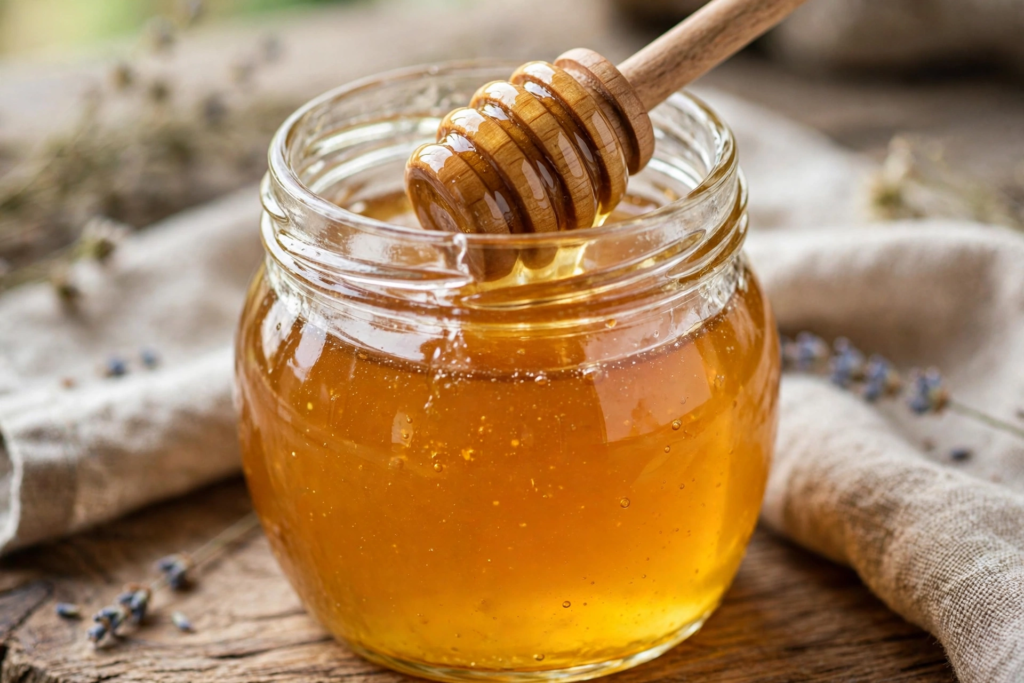
Honest note up front: honey is still sugar. A tablespoon carries about 60 calories of pure sweetness. It carries trace enzymes and antioxidants that white sugar lacks, and its stronger flavor means most people use less. Honey’s real superpower is strategic: it makes plain yogurt, oatmeal, and tea delicious without the sugar bowl.
- **Honey-lemon throat soother:** Stir 1 tablespoon honey and lemon juice into warm (not hot) water or tea.
- **Roasted carrots:** Toss carrots with olive oil, salt, and 1 tablespoon honey; roast at 425°F (220°C) for 25 minutes.
- **One caution:** Never give honey to babies under 12 months — it can carry spores their systems can’t handle yet.
Stock Your Kitchen: The Superfood Checklist
Don’t buy everything at once. Start with what your household already eats, then fill the gaps over two or three grocery trips.
The Shelf (Dry Goods)
- Oats (rolled or old-fashioned, plain)
- Lentils (red for soups, brown or green for salads)
- Beans or chickpeas (dried or canned)
- Peanut butter (ingredients: peanuts and salt)
- Olive oil (extra-virgin, small bottle)
- Honey (one jar lasts months)
- Green tea bags or loose leaf
- Spices: turmeric, cinnamon, ginger (ground), garlic powder as backup
The Fridge
- Plain yogurt (Greek for extra protein)
- Eggs (a dozen; they last 3–5 weeks refrigerated)
- Bananas (counter to ripen, fridge when spotty — peel darkens, fruit stays fine)
- Fresh ginger (or frozen — grates perfectly from frozen)
- Opened peanut butter (natural styles last longer refrigerated)
The Freezer
- Frozen spinach or kale (also peas, berries — the whole frozen aisle is underrated)
- Sliced ripe bananas (for smoothies and two-ingredient ice cream)
- Fresh ginger knob (grates straight from frozen, lasts months)
Storage Tips That Save Money
- **Spices:** Sealed jars in a dark drawer, away from the stove. Ground spices lose punch after about a year — write the purchase date on the lid.
- **Olive oil:** Cool, dark cupboard; never next to the oven. Buy bottles you’ll finish in two to three months.
- **Oats, lentils, beans:** Airtight jars in a dry cupboard — they keep 6–12 months easily.
- **Honey:** Room temperature, tightly closed. If it crystallizes, it’s fine — set the jar in warm water for ten minutes.
- **Yogurt and eggs:** Unopened yogurt keeps about a week past its printed date if kept cold; eggs last 3–5 weeks in the fridge. The float test works: an egg that floats is done.
- **Bananas:** Buy a mix of yellow and green; freeze the overripe ones instead of binning them.
Frequently Asked Questions
Are “superfoods” actually a real thing?
Not in any scientific or legal sense. “Superfood” is a marketing term, not a medical category — no food has been certified super by any health authority. That said, the label usually points at foods that are genuinely nutrient-dense: rich in fiber, vitamins, minerals, or plant compounds relative to their calories. Think of this article’s list as affordable, nutrient-dense staples — not magic ingredients. A varied diet of ordinary whole foods beats expensive powders every time.
Can these foods replace my medication or treat a condition?
No. Foods support general wellness; they don’t diagnose, treat, or cure disease. Turmeric won’t replace prescribed anti-inflammatory treatment, and no amount of garlic stands in for blood-pressure medication. If you have a health condition, keep taking your prescribed medication and check with your doctor before major dietary changes — especially with blood thinners, diabetes medication, or kidney issues.
Is honey really healthier than sugar?
Only marginally. Honey contains trace enzymes and antioxidants that white sugar lacks, and its stronger flavor often means you use less of it — but your body processes both as sugar, and a tablespoon of honey still carries about 60 calories. Treat honey as a tastier sweetener, not a health food. If you’re managing blood sugar or watching calories, the amount matters far more than the source.
Do I need to buy organic versions of these foods?
Nutritional differences between organic and conventional versions of these staples are small, and cost is a real barrier. The far bigger win is simply eating more of these foods in whatever form you can afford — conventional oats, lentils, and frozen spinach nourish you just as well. If organic fits your budget, great; if not, don’t let the perfect be the enemy of the nourished.
How do I get my kids (or picky partner) to eat these?
Don’t announce a health overhaul — upgrade familiar foods quietly. Blend frozen spinach into smoothies, stir red lentils into pasta sauce, swap half the taco meat for mashed black beans, make banana “ice cream” for dessert. Peanut butter toast, hummus with pita, and egg fried rice are already kid-approved. Familiar formats first; lectures never.
What’s the single easiest change to start with?
Pick one that fits a meal you already eat. Coffee drinker? Add cinnamon. Toast? Peanut butter with banana. Rice or soup? Stir in turmeric or lentils. One small, repeatable upgrade beats a dramatic overhaul that lasts four days. Once the first habit feels automatic — usually two to three weeks — add the next.
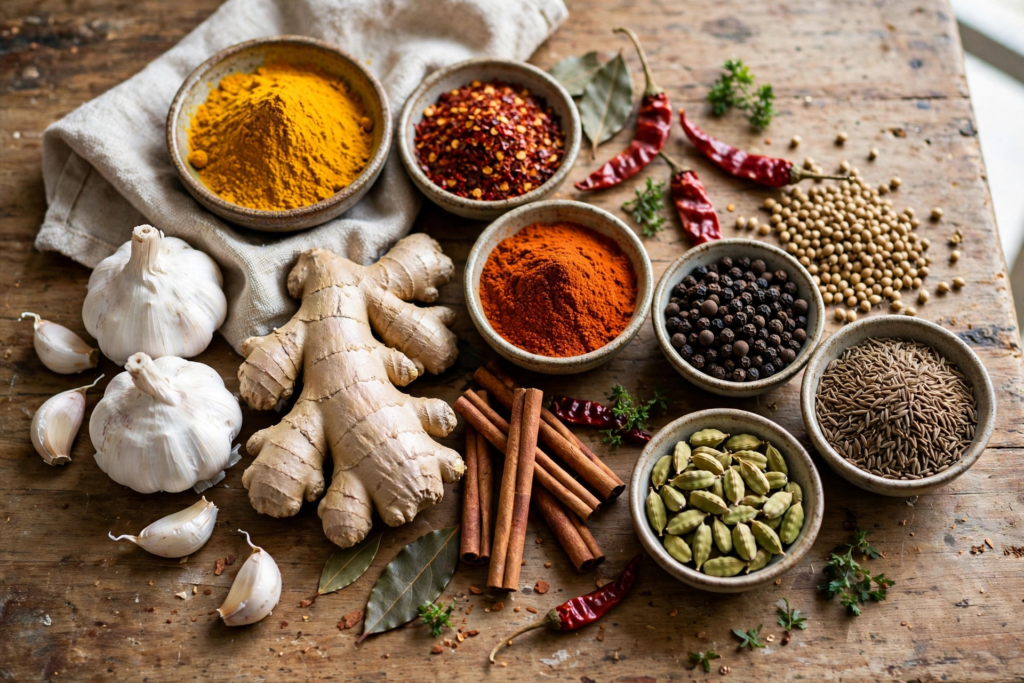
The wellness industry profits from convincing you health is complicated, exotic, and expensive. Your kitchen tells a simpler story: fifteen humble, affordable foods — spices that cost pennies a meal, grains and legumes that keep you full for hours, fridge staples you already buy — carry more real nutrition than any supplement shelf. You don’t need a bigger budget or a specialty store; you need a second look at the jars you already own.
Start small. Add cinnamon to your coffee tomorrow; stir frozen spinach into your pasta sauce. Keep it practical, keep it tasty, and let the habits stack. Remember the honest frame: these foods support your health — they don’t replace a balanced diet, exercise, sleep, or your doctor’s advice. The real superfood was never in a $49 bag. It was in your cupboard all along.
The content on Knowlix is for informational purposes only and is not medical advice. Always consult a qualified doctor for health concerns.
Sponsored
