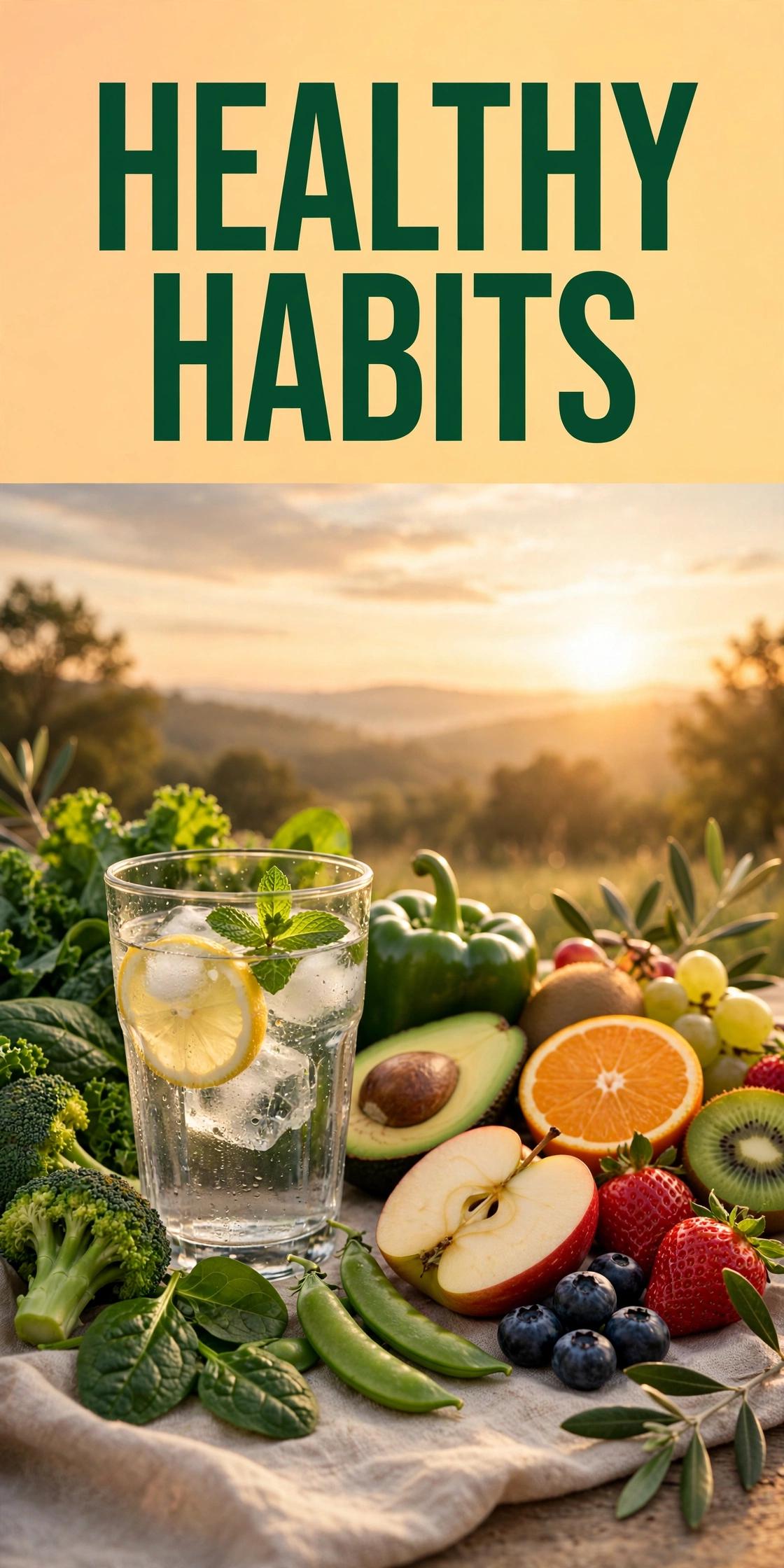
It’s 3 p.m. Your eyes feel heavy, your head has that dull, foggy ache, and the snack drawer is suddenly calling your name — even though you ate lunch two hours ago. Your skin looks a little tired in the bathroom mirror, your stomach feels sluggish, and your third cup of coffee is doing absolutely nothing. Here’s the twist most people miss: you probably don’t need more caffeine, more concealer, or more willpower. You might just need water. Mild dehydration — as little as one to two percent of your body weight in fluid loss — can quietly drag down your energy, your focus, your mood, your skin, and your digestion before you ever feel truly thirsty. In this guide, we’ll walk through the real science of hydration in plain language: what water actually does inside your body, how much you personally need (the honest answer, not the myth), and simple, practical routines that make drinking enough water feel effortless.
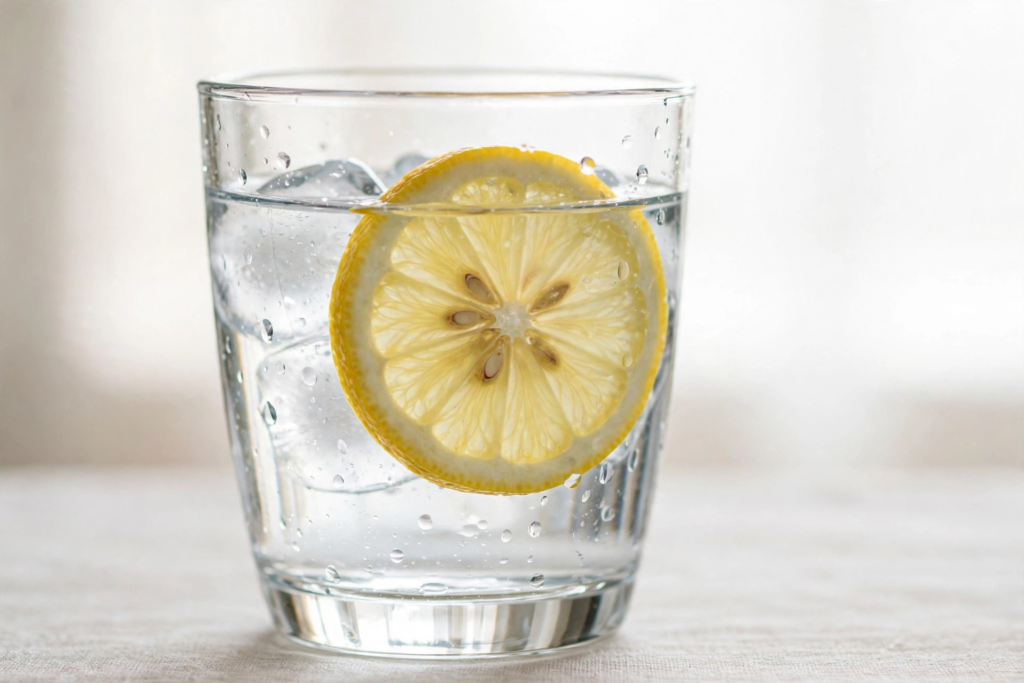
How Water Affects Your Energy — and Your Workouts
If you take one idea from this article, let it be this: fatigue is one of the earliest and most common signals of mild dehydration. Before your mouth feels dry, your energy is already dipping.
Why Dehydration Drains You Before You Feel Thirsty
Your body is roughly 60 percent water, and it loses fluid constantly — through breathing, sweating, and bathroom trips. When you fall even slightly behind on replacing it, your blood volume drops a little. Less blood volume means your heart has to work harder to circulate oxygen and nutrients, and that extra effort reads to your brain as tiredness. Studies on mild dehydration consistently show the same pattern: people report more fatigue, more difficulty concentrating, and lower mood — then feel noticeably better within about 20 to 45 minutes of drinking water. The afternoon slump you blame on lunch? Often it’s just a hydration gap that opened up over the morning.
The 2% Rule: Small Losses, Big Performance Drops
Exercise researchers use a handy benchmark: losing just 2 percent of your body weight in sweat can measurably reduce endurance, strength, and coordination. For a 160-pound person, that’s only about 3 pounds of sweat — easy to lose in a single hot workout without noticing. Reaction time slows, perceived effort climbs (everything feels harder than it should), and body temperature regulation gets less efficient, which is why dehydrated workouts feel miserable. The fix is beautifully simple: start hydrated, sip steadily during activity, and rehydrate afterward rather than chugging a huge amount all at once.
A Simple Drinking Plan for Active Days
- Drink 16–20 ounces of water 2–3 hours before exercise, then another 8 ounces about 20 minutes before you start.
- During workouts, aim for 4–8 ounces every 15–20 minutes — set a timer if you always forget.
- After exercising, drink about 16–24 ounces for every pound of body weight lost (weigh yourself before and after once to learn your personal sweat rate).
- For sessions longer than 90 minutes or very sweaty conditions, include some electrolytes — sodium helps your body actually hold on to the water you drink.
- Keep a filled bottle in your gym bag, your car, and your desk drawer so “I forgot my water” stops being an excuse.
Water and Your Skin: The Glow Starts From Within
You’ve probably heard that drinking water gives you glowing skin. The truth is more nuanced — but still firmly in water’s favor.
What Water Actually Does for Your Skin
Your skin is about 64 percent water, and the outermost layer — the barrier that keeps moisture in and irritants out — depends on adequate hydration to do its job. When you’re well hydrated, skin tends to look plumper, fine lines look softer, and that dull, papery afternoon look is less likely to show up. Dehydration won’t single-handedly cause wrinkles, but it absolutely makes existing lines more visible and leaves skin looking tired. Think of water as the foundation: it won’t replace sunscreen, moisturizer, or sleep, but without it, everything else works harder for less visible payoff.
The Skin-Hydration Routine That Actually Works
- Front-load your water: drink a full glass within 30 minutes of waking to replace overnight losses.
- Pair internal hydration with a moisturizer applied to damp skin — this seals water into the outer layer.
- Cut back on the biggest skin-dehydrators: excess alcohol and very long, very hot showers both pull moisture from skin.
- Eat water-rich produce daily (cucumber, watermelon, oranges, lettuce) — they hydrate while delivering skin-supporting vitamins.
- Watch your lips and the skin around your eyes first; they’re the earliest visible indicators when you’re running dry.
When Water Isn’t the Whole Answer
If your skin stays persistently dry, flaky, or irritated despite good hydration, that’s a sign to look at other factors — harsh cleansers, low humidity, certain medications, or underlying skin conditions a dermatologist can evaluate. Water is a powerful supporting player for skin health, not a cure-all, and knowing the difference keeps your expectations realistic.
Water, Digestion, and Gut Comfort
Your digestive system is basically a water-management operation from start to finish, which is why hydration shows up so quickly in how your stomach feels.
How Water Keeps Things Moving
Water softens stool and helps it move smoothly through your intestines. When you’re dehydrated, your colon pulls extra water out of waste as it passes through — the result is harder, drier stools and the sluggish, bloated, uncomfortable feeling so many people accept as normal. In fact, low fluid intake is one of the most common, most fixable contributors to occasional constipation. Fiber gets all the credit for digestive regularity, but fiber without enough water can actually make things worse — fiber needs water to do its job, like a sponge needs moisture to stay soft.
Water’s Role From First Bite to Last
Digestion starts with saliva (which is 99 percent water), and your stomach and intestines secrete liters of fluid daily to break food down and absorb nutrients. Drinking water with meals supports this process — despite the old myth, it doesn’t “dilute your stomach acid” in any meaningful way for healthy people. A glass of water with each meal is one of the simplest digestive habits you can build.
Daily Habits for a Happier Gut
- Drink a large glass of water 20–30 minutes before meals to support comfortable digestion.
- If you increase fiber (beans, oats, vegetables, chia seeds), increase water alongside it — add an extra glass per high-fiber meal.
- Start the morning with warm water and lemon if you enjoy it; the ritual matters more than the lemon, because it gets fluid in early.
- Limit the dehydrating combo of very salty processed meals with no water alongside them.
- Notice your patterns: if sluggish days cluster on low-water days, you’ve found a lever you can actually pull.

Water and Your Brain: Focus, Mood, and Mental Clarity
Your brain is about 75 percent water, and it’s exquisitely sensitive to fluid balance — which explains why your thinking is often the first thing to wobble.
Your Brain Runs on Fluid Balance
Even mild dehydration can shrink the brain’s effective processing efficiency: studies link it to slower reaction times, weaker short-term memory, and more errors on attention-heavy tasks. Headaches that creep in on busy, low-water days are another classic signal. The mechanism is straightforward — reduced blood flow and subtle shifts in electrolyte balance make neural signaling slightly less efficient. The encouraging flip side: rehydrating often restores focus faster than another espresso, without the jitters or the crash.
Mood, Stress, and the Hydration Connection
Dehydration doesn’t just dull thinking — it colors how you feel. Research participants who are mildly dehydrated consistently report higher tension, more anxiety, and lower overall mood, and the effect reverses with water intake. It makes sense: when your body is under mild physiological stress from fluid loss, everything feels a little harder, including emotional regulation. Nobody is saying water replaces real mental-health care, but staying hydrated removes one quiet, constant source of background stress your nervous system doesn’t need.
Think-Clearer Hydration Habits
- Keep water within arm’s reach during deep-work blocks — out of sight genuinely means out of mind.
- Drink a glass of water before reaching for a second coffee; if the fog lifts, it was hydration, not caffeine, you needed.
- Use bathroom breaks as water breaks: refill your glass every time you get up.
- If headaches tend to arrive mid-afternoon, pre-empt them with a scheduled glass at 2 p.m. rather than reacting at 4 p.m.
Kidneys, Detox Myths, and What Water Really Cleans Up
Your kidneys are the body’s filtration all-stars, and water is quite literally their operating medium. This is also where marketing hype needs a reality check.
How Your Kidneys Actually Use Water
Every day, your kidneys filter roughly 180 liters of blood, reabsorbing what you need and sending the rest out as urine. Adequate water keeps this system running smoothly: it dilutes waste products, supports healthy urine flow, and lowers the concentration of minerals that can crystallize into kidney stones. People with a history of kidney stones are routinely advised to drink enough to keep urine pale — it’s one of the best-supported hydration recommendations in medicine. Your kidneys are excellent at their job; water just gives them the volume they need to do it comfortably.
Detox Myths vs. Facts
- **Myth:** Special “detox waters,” cleanses, or teas flush toxins from your body. **Fact:** Your liver and kidneys already detox around the clock — plain water supports them; expensive detox products don’t add a mechanism that isn’t already running.
- **Myth:** More water always means more detox. **Fact:** Beyond adequate hydration, extra water doesn’t speed up toxin removal — it just makes you urinate more.
- **Myth:** You need to “flush” your system periodically. **Fact:** Consistent daily hydration beats occasional extreme water intake every time.
- **What actually helps your body’s natural detox systems:** steady water intake, enough sleep, limited alcohol, and a diet rich in fiber and vegetables.
Urine: Your Built-In Hydration Dashboard
Pale straw or light yellow urine generally means you’re well hydrated; dark amber means drink more water soon. (B vitamins and some foods like beets can temporarily change urine color, so read it as a trend, not a single data point.) Checking becomes second nature within a week — it’s the simplest biofeedback tool you own, and it’s free.
How Much Water Do You Actually Need?
Here’s the honest answer: it depends on you. Let’s dismantle the famous rule and build something better.
The 8×8 Myth, Honestly Addressed
“Drink eight 8-ounce glasses a day” — 64 ounces total — sounds scientific, but it was never based on solid research for everyone. It persists because it’s simple and because, coincidentally, it lands in a reasonable range for many sedentary adults in temperate climates. But a 120-pound office worker in air conditioning and a 220-pound construction worker in summer heat do not have the same needs, and one number can’t serve them both. Treat 8×8 as a starting line, not a finish line.
What Changes Your Personal Target
- **Body size:** larger bodies need more water — a common starting estimate is roughly half your body weight in pounds as ounces (160 lbs → ~80 oz), then adjust.
- **Activity level:** add 12–16 ounces for every 30 minutes of moderate exercise, more in heat.
- **Climate:** hot, humid, or high-altitude environments increase fluid loss noticeably.
- **Diet:** high-sodium meals, high-protein diets, and alcohol all raise water needs; fruits, vegetables, soups, and smoothies lower them.
- **Life stages:** pregnancy, breastfeeding, illness with fever, vomiting, or diarrhea all increase needs — check with your doctor for personalized guidance during these times.
Two Practical Guides That Beat Any Formula
Forget rigid ounce-counting. **Guide one: drink to thirst, mostly.** Thirst is a reliable signal for most healthy adults in daily life — the catch is that it lags slightly during exercise, heat, and busy workdays, so don’t ignore it. **Guide two: aim for pale-yellow urine.** If it’s consistently light, you’re in a good zone; if it’s dark, drink more. Combine the two and you’ve got a personalized system no app required. Total water includes food moisture (about 20 percent of most people’s intake comes from food) and all beverages — more on that in the FAQ.
Practical Ways to Actually Drink More Water
Knowing you should drink water and actually doing it are different skills. These are the tactics that stick.
The Bottle Method
Buy a bottle you genuinely like — size, spout, and feel matter more than you’d think — and make it your constant companion. Time-marked bottles (with lines like “10 a.m. — keep going!”) turn vague intentions into a visible game. A 32-ounce bottle finished twice covers 64 ounces without any counting. Wash it daily; a beloved bottle you never clean becomes a bottle you stop using.
Habit Stacking and Smart Reminders
- **Stack it:** glass of water while coffee brews, sip during every meeting, refill at every bathroom break. Attach water to habits that already happen.
- **Phone reminders:** three daily alarms (mid-morning, mid-afternoon, evening) beat a complicated tracking app most people abandon by week two.
- **The doorway trick:** keep a glass by your front door and drink it when you get home — it bridges the work-to-evening gap where intake often collapses.
- **Desk visibility:** a full bottle in your line of sight gets sipped; a bottle in a bag gets forgotten.
Make Water Taste Better — Naturally
- Add sliced cucumber and mint, frozen berries, or citrus wheels — prepare a pitcher in the morning.
- Try sparkling water if still water bores you; the fizz counts fully toward hydration.
- Herbal iced tea (unsweetened) is essentially flavored water with personality.
- Freeze fruit into ice cubes for a slow-release flavor upgrade that looks great too.
- If you’re transitioning off soda, mix sparkling water with a splash of 100% juice and taper the juice over two weeks.
Eat Your Water
Some of the most hydrating foods are over 90 percent water: cucumber, lettuce, celery, watermelon, strawberries, and cantaloupe. Starting lunch with a simple salad or a piece of fruit quietly adds a cup or more of water to your day. Broth-based soups, smoothies, and even oatmeal contribute meaningfully. You don’t need to overhaul your diet — just lean into the watery foods you already like.
Frequently Asked Questions
Does coffee or tea count toward my daily water intake?
Yes — for most people, yes. Caffeine has a mild diuretic effect, but the water in the cup far outweighs it, so coffee and tea hydrate you net-positive. Research shows moderate coffee drinkers (up to about 4 cups a day) hydrate similarly to water drinkers. The caveats: very high caffeine intake can disrupt sleep and raise anxiety, and sugary coffee drinks add calories without extra hydration benefit. Count your morning coffee, but don’t let it be your only fluid.
Can I drink too much water?
It’s rare, but yes — it’s called water intoxication or hyponatremia, where excess water dilutes blood sodium to dangerous levels. It almost always involves extreme intake (gallons in a short period), often during endurance events, combined with heavy sweating and low electrolyte replacement. For normal daily life, drinking to thirst and keeping urine pale yellow keeps you safely away from this. If your urine is consistently crystal clear and you’re urinating excessively, you can ease back a little.
Is bottled water better than tap water?
In the United States, municipal tap water is regulated by the EPA and is safe and healthy in the vast majority of areas — and it’s far cheaper and more environmentally friendly than bottled. Bottled water is regulated too, but it’s not inherently healthier, and some brands are literally sourced from municipal supplies. If your local water tastes off or you have concerns about old plumbing, an inexpensive pitcher or faucet filter handles taste and common contaminants. Check your local water quality report (utilities publish them annually) if you want specifics.
What’s the best time of day to drink water?
The best time is consistently throughout the day rather than in big bursts. That said, a few anchor moments help: a glass first thing in the morning replaces overnight losses, water with meals supports digestion, and steady sipping through the afternoon prevents the slump. Many people prefer to taper intake an hour or two before bed to avoid sleep-disrupting bathroom trips. There’s no magic hour — regularity beats timing.
Do other drinks count, or does it have to be plain water?
They count. Milk, juice, herbal tea, sparkling water, sports drinks, and even the water in fruits, vegetables, and soups all contribute to hydration. Plain water is the ideal default because it has zero calories, zero sugar, and zero cost — but a varied fluid intake still hydrates you. Just be mindful of what rides along: sugary sodas and energy drinks bring calories and additives, and alcohol is actively dehydrating, so neither should anchor your hydration strategy.
Should I force myself to drink if I’m not thirsty?
For most healthy adults, no — thirst is a well-calibrated signal for everyday life, and pale-yellow urine confirms you’re on track. The exceptions are worth knowing: adults over 65 often have a blunted thirst response, and during exercise, heat waves, or illness, thirst can lag behind actual need. In those situations, drink on a light schedule rather than waiting for thirst. When in doubt, the urine check settles it.
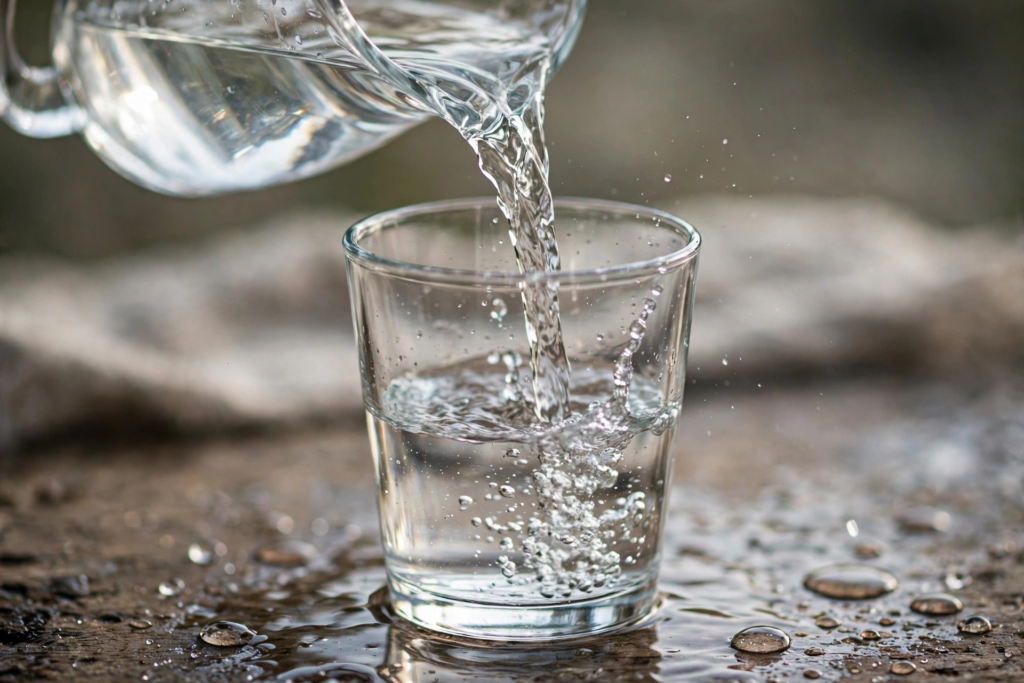
Drinking enough water won’t solve every problem in your life — but it’s remarkable how many everyday complaints trace back to this one simple gap. The afternoon energy crash, the dull skin, the sluggish digestion, the foggy focus, the low-grade crankiness: mild dehydration quietly amplifies all of them, and correcting it costs nothing and takes minutes. You don’t need a complicated formula or an expensive bottle. Start where you are: a glass in the morning, water with meals, a bottle you like within reach, and the pale-yellow check as your guide. Give it one full week of consistent, intentional hydration and pay attention to what shifts — most people notice the difference in their energy and clarity within the first few days. Your body has been asking for this all along. Now you know how to listen.
The content on Knowlix is for informational purposes only and is not medical advice. Always consult a qualified doctor for health concerns.
Sponsored